
Women are central to the watch and jewellery industry – as consumers, designers, employees, and supply chain workers. They drive 90% of global demand for jewellery and make up around 70% of the workforce in jewellery manufacturing. At the same time, women in the industry commonly face adverse social and cultural norms and systemic constraints such as discriminatory laws or gaps in legal protection that hamper their advancement in both the workplace and marketplace. Emerging regulations to improve gender representation on the boards of listed companies in the EU or increased requirements for companies to report on DEI targets including gender promise a pathway forward, but business must play its part to advance gender equality.
At WJI 2030, women’s empowerment is key in our commitment to ensuring inclusive and responsible value chains. As an initiative, we support the Women’s Empowerment Principles and launched a partnership with UN Women to advance gender-responsive procurement through a pilot project. We will soon announce additional workstreams to support our members in promoting gender equality in their own operations and value chains. In the meantime, the following resources developed or curated by our partner BSR offer helpful guidance and inspiration for companies seeking to advance gender equality and women’s empowerment in the industry:
REPORTS & ARTICLES:
- Women in the Jewelry Supply Chain: A Landscape Review of Barriers to Women’s Economic Empowerment: Explores the role of women in jewelry supply chains and the challenges they face to their wellbeing and advancement.
- Disrupting Luxury: Creating Resilient Business in Times of Rapid Change: This report from BSR’s Responsible Luxury Initiative offers a roadmap toward a resilient luxury sector and highlights three opportunities for luxury companies to invest in future success.
- How Business Can Build a ‘Future of Work’ That Works for Women: Examines how companies can build future of work strategies that work for women.
- Making Women Workers Count: A Framework for Conducting Gender Responsive Due Diligence in Supply Chains: Provides recommendations as to how brands and suppliers can conduct better and more effective gender-responsive due diligence.
- Supporting Women in the Luxury Supply Chain: A Focus on Italy: Sheds light on challenges faced by women workers in the Italian luxury sector and provides practical recommendations to address gaps and concerns raised by women workers.
- The Power of Procurement: How to Source from Women-Owned Businesses: Provides the tools and techniques for reducing or eliminating these barriers and for leveraging the vast untapped economic potential represented by women-owned businesses.
- Legal frameworks for gender-responsive procurement: A comparative review of regulatory and policy measures and international and national legal norms: Enhances stakeholder understanding of the legal, policy, and regulatory frameworks in which procurement is embedded, with a view to supporting the development and implementation of more gender-responsive policies and practices.
TOOLKITS & GUIDANCE:
- WEPs Gender Gap Analysis Tool: Business-driven tool designed to help companies from around the world assess gender equality performance across the workplace, marketplace, and community.
- Diversity, Equity, and Inclusion (DEI) in Supply Chain Resource Hub: A resource hub that aims to centralize and share the different tools BSR has developed to help companies and organizations integrate diversity, equity and inclusion into their supplier management systems and approaches.
- Gender Equality in Codes of Conduct: Provides a framework for companies to integrate gender equality considerations into the standards they use to set supply chain ethical requirements.
- Gender Equality in Social Auditing Guidance: Identifies the main improvements required for gender-sensitive social auditing and provides recommendations, practical advice, and relevant examples on how to effectively integrate gender considerations into audits.
Interview with Eva von Alvensleben, Executive Director and Secretary General, The Fashion Pact
How has gender equality been integrated into The Fashion Pact and the work you do?
As you know, our work at The Fashion Pact is directly linked to our common agenda based on a set of commitments across our three pillars Climate, Biodiversity and Oceans. We are conscious that environmental and social issues go together. We strive to ensure that the system change we want to bring is benefitting not only the environment but also the people working in that field.
Our general ambition is to encourage gender equality across our key stakeholders. Through projects we set up, we aim to work with consultancies, NGOs and conservation groups as well as cross-industry partners that support gender equality and diversity. For example, we are tracking this through our “Transforming the Fashion Sector with Nature Project”, a project funded by the Global Environment Facility (GEF). The GEF requires that we adhere to the “Gender Mainstreaming Plan” enabling us to track and monitor gender representation and activities throughout our work from staffing to committee make up, webinar and workshop attendees.
Finally, as a women-only team, The Fashion Pact Secretariat scores well! Globally there is still much to be done in terms of female representation at top leadership positions within fashion companies. When possible, we strive to highlight leading female voices from members in events & conferences.
How do you see the fashion industry taking on the topic of gender equality and what are some key priorities for you?
Women’s empowerment and gender issues have become mainstream topics across industries. Companies have increased their commitment to gender diversity in the past few years. Yet, progress is slow. According to the BOF State of Fashion 2023, less than 25% of all CEO appointments in the fashion industry in 2021 were women. Women make up the majority of the garment workers across the supply chain (from cotton fields to stores). We know that the effects of climate change disproportionately impact women. It is therefore essential for women to have a seat at the table in all aspects of climate decision-making. Generally speaking, including gender issues in sustainability strategies is key.
How has your personal journey been to date and what are your personal aspirations for the future?
Women’s empowerment is a cause close to my heart. I have experienced first-hand working in male-dominated fields, often being the only woman among a hundred consultants in my former life in a strategy consulting firm. Despite the progress in the past years in the fashion industry, much more needs to be done to achieve gender equality at every level of society and notably at work.
Today, more than ever I am conscious of the gender inequality at my level: in the fashion industry there are few women CEOs heading fashion companies. I aspire for more women in leadership positions in the fashion industry to ensure diversity of perspectives around the table. After all, the majority of fashion customers and audiences are women! In order for women to advance in leadership positions, we need to rethink our working systems, often not adapted to women. At The Fashion Pact we created a thriving environment enabling women to adapt and manage work-life balance.
Interview with Stefanie Cohen, Head of Sustainability, Swarovski
Swarovski reports progress in achieving positive business practices for women, recognizing that it needs to proactively create networks to support women.
How does gender equality fit into your business strategy?
At Swarovski, we want to be recognized as a company that’s built on a foundation of equality and inclusivity. We aim to champion diversity and celebrate people’s individuality. This has been part of our DNA for many years and is fully embedded in our LUXignite strategy.
Equality, Diversity & Inclusion are one of our six most important focus areas within our Sustainability strategy that we are integrating into our business across the value chain, from how we design our products to how we produce them and how we market them.
Women make up 77% of our workforce and the majority of our customers, so we believe our business is especially well-placed to champion gender equality.
In 2018 we launched ‘The Future is Equal’ campaign to observe International Women’s Day and have run consecutive year on year campaigns to engage with our global workforce across office, retail and production on issues like breaking bias and local fundraising for women’s empowerment charities.
Have you seen progress in gender empowerment in your company? What steps have you taken? Success stories?
Swarovski was a very early signatory of the United Nations’ Women’s Empowerment Principles (UN WEP), a set of principles for business offering guidance on how to empower women in the workplace, marketplace and community. We became a signatory in 2014, and since 2017 we have been assessing ourselves biannually using the WEP’s Gender Gap Analysis Tool for businesses in order to track our progress. The good news is that we have improved in every assessment so far, showing our increasing focus and progress in fostering a positive business practice for women. But there is still a lot that we need and want to do to advance further. Some of our programmes are listed below…
Our WeShine programme (internal programme concentrating on EDI on our manufacturing sites) has been running since 2018 and focuses on working on the ground NGOs to overcome barriers that workers face in our production locations. Due to the high number of women in our production, the most prolific issues are centred around gender.
We worked with Raks Thai in 2019-2020 to improve financial literacy, understanding of sexual health, and provide support on gender equality issues in one of our production facilities in Thailand, and we are currently working on how we can roll out this programme globally. In 2022 we partnered with BSR in India and Vietnam to run tailored HER projects to empower and support female workers who are represented at the lowest tier in supply chains and often carry a dual burden to earn and care for the family. The programme supports them in health-related issues, increasing health awareness, and access to health services through sustainable workplace initiatives.
We have an established eLearning portfolio including eLearning modules covering unconscious bias, microaggressions and allyship. In 2018-2020, we partnered with the NeuroLeadership Institute carrying out global unconscious bias training sessions, to help employees understand how to stop bias from impacting their decisions, creating a more inclusive and diverse environment for all.
Our Employee Resource Groups (ERGs) are crucial to creating a sense of inclusion and belonging. ERGs are employee-led groups that contribute to fostering a more diverse and inclusive workplace. Participants are usually employees who feel connected by a mixture of shared interests, experiences, or backgrounds. We currently have ERGs focused on women’s empowerment, but also pride, disability and working parents across the world.
We have been running #IamRemarkable sessions across the business since 2019 to encourage underrepresented groups to recognize the power of self-promotion and boost confidence in the workplace and beyond. #IamRemarkable is a worldwide Google initiative.
Swarovski is a Lean In partner. We recognize that we need to proactively create networks to support women, and to foster connections across our workplaces, encouraging the exchange of ideas and inspiring confidence.
What are the challenges and opportunities?
It is vital to understand the issues in order to develop meaningful programmes. The challenges are widespread and vary depending on the area of the business and the geography.
For example, in 2018 we partnered with BSR to conduct ground-breaking research exploring the role of women in the jewellery supply chain and the challenges they face to their wellbeing and career advancement. Some of the issues found included the lack of formal employment opportunities, a lack of women in leadership and female role models, low wages and poor working conditions, exposure to health and safety hazards and low levels of education increasing the risk of sexual harassment and gender-based violence.
While this work was focused primarily on the production and cutting/mining sector largely taking place in Asia, the challenges we face to achieve gender equality in other parts of the world and in our retail and office population are different.
In order to drive meaningful change, detailed analysis is required to understand the issues and address them in the right way – instead of just applying a watering can type solution or virtue signalling.
What are your priorities? Are there any frameworks you use to help you in your journey? Do you have targets and how do you measure them?
The WEPs is a very useful tool that allows us to assess ourselves and to use as a compass to guide further programmes.
In 2021 we published a number of commitments that focus not only on gender but are also related to progress in the broader Equality, Diversity & Inclusion area.
- Building a diverse leadership population that includes underrepresented groups. As a first step, we aim to have 45% of our top and senior management positions filled with female leaders.
- Reducing bias in our recruitment by exploring innovative recruitment practices, including AI technology.
- Increasing the diversity of our marketing materials to include individuals from underrepresented groups.
- Celebrating the LGBTQ community, providing education and awareness opportunities.
How important is WJI 2030’s third pillar to support you in your journey?
What one company can do is limited. We have neither endless resources nor funds. Action needs to happen across companies and industries. Much of what we have learned so far can be applied to other businesses and we need to join forces to make progress. I do hope that within WJI 2030 we can work further to understand in even greater detail the gender equality related issues we face and jointly develop programmes to resolve them.
How has your personal journey been? What are your hopes for the future?
I worked for many years in a large American consumer goods company and have now been at Swarovski for the past seven years. While a lot has been achieved, the challenges for gender equality are far from being resolved, even here in Europe. I am a working parent and this still often puts me in a situation of having to prioritise between work and family more than I would like. Expectations of men vs. women in relation to childcare are still far from equal, in some countries less and in some countries more so. Key enablers are equal parental leave policies and flex work arrangements – but also the company culture. My very personal hope for the future is that my children – no matter if boy or a girl – will take care of their kids equally, and that the topic of gender equality in the workplace will become much less of an issue.
The current state of affairs does not look good. According to UN Women, achieving full gender equality could take close to 300 years at the current rate of progress. This is a sobering finding and should provide us with an even stronger call to action. It is clear that without action, the erosion of the rights of women and girls will continue.
For really meaningful progress, the private and public sector will need to collaborate and place women and girls at the centre of all aspects of decision making, including through gender-responsive laws, policies, and budgeting. We need a truly multidimensional and multi-sectoral approach.
We are calling on our industry leaders and stakeholders to join forces and accelerate efforts to make gender equity a reality for all.
Sign the Women’s Empowerment Principles
The Women’s Empowerment Principles (WEPs) are a set of principles offering guidance to business on how to advance gender equality and women’s empowerment in the workplace, marketplace and community. Established by UN Women and UN Global Compact, the WEPs are informed by international labour and human rights standards and grounded in the recognition that businesses have a stake in, and a responsibility for, gender equality and women’s empowerment.
All businesses stand to benefit from gender equality and women’s empowerment. The WEPs platform offers the private sector a global network of like-minded companies and guidance on advancing gender equality and women’s empowerment in the workplace, marketplace and community. Support for the seven Principles has gathered global momentum – thousands of companies worldwide are now WEPs champions – and therewithin also contribute to the Sustainable Development Goals.
The WJI 2030 strongly urges you to become signatories of the WEPs and demonstrate your commitment to the gender equality dimensions of the 2030 agenda through leadership and commitment at the highest level of your company.
Joining the WEPs Network is Straightforward:
- Download the CEO Statement of Support, have it signed by your company’s CEO, and submit it with your application below
- Please consult the How to Complete the Application (English, French, Japanese) guidelines and follow the instructions for an easy and faster process
- Complete your application form here
When filling out the application, under “WEPs sponsor/referral” please select “other” and write WJI 2030 as your source of referral.

WJI 2030 strongly believes in accelerating commitment and action in order to forward the 2030 agenda, and therefore kindly urge you to become a WEPs signatory and work collaboratively in multistakeholder networks to foster business practices that empower women.
ADDITIONAL TOOLS
Gender Gap Analysis Tool (WEPs Tool)
The Women’s Empowerment Principles Gender Gap Analysis Tool (WEPs Tool) is a business-driven tool designed to help companies from around the world assess gender equality performance across the workplace, marketplace, and community.
The WEPs Gender Gap Analysis Tool | WEPs
WEPs Gender Responsive Procurement Tool Guidance Note
The UN Women’s Empowerment Principles – Gender-Responsive Procurement (GRP) Assessment Tool allows companies to assess progress on their GRP policies and practices on gender-responsive procurement. This self-assessment tool is available to all WEPs signatories. Consisting of 31 questions, the tool identifies gaps and areas for improvement based on inputs provided by the company.
WEPs Gender responsive procurement tool guidance note | WEPs
Integrating Diversity, Inclusion, and Women’s Empowerment into Corporate Management
Read this case study to learn about how Timeline Consultancy leveraged its position to help client companies set up employee representative mechanisms with adequate participation of women through its consulting services.
Integrating Diversity, Inclusion and Women’s Empowerment into Corporate Management | WEPs
More tools: see here Resources | weps
More case studies: see here Case Study | weps
Accelerating sustainability and gender empowerment in global mining industry
VICENZA, Italy – A panel of senior female executives at the Vicenzaoro trade event in January, chaired by WJI 2030, called for accelerated moves to achieve sustainability and gender empowerment across the global mining industry.
The panel of three executives, moderated by WJI 2030 Executive Director Iris Van Der Veken, and introduced by Italian goldsmithing leader Ivana Ciabatti (Chair, Italpreziosi, a member of WJI 2030), said that progress had been achieved to date, but much more needed to be done to meet the Sustainable Development Goals (SDGs) and to create a fairer workplace, a better working environment, and more sustainable supply chain in mining.
“It is important not only to attract women to mining and retain them, but also to ensure a safe space for them to work and grow,” Iris said while chairing the panel entitled “Women Driving Sustainability in Mining”.
Supporting the implementation of sustainability and gender empowerment targets by mining companies, Iris added, “We need reliable data, then we need concrete actions. It needs to be an acceleration.”
Among the panellists, Nancy Lipson, Executive Vice President and General Counsel of Newmont Corporation, one of the world’s leading gold miners, said that in her 17 years with the company board representation of women had grown to 42 percent from zero.
“We also have a long way to go,” she added, in a reference to steps that needed to be taken to achieve a more equitable representation of women across the workforce in mining.
Charlene Wringley, Director Sustainability of Gold Field Corp, another gold miner with a strong operational presence in Africa, said her company had set a target of 30 percent women in the workforce by 2030, up from 21 percent now.
“Women are integral to our company’s success,” she said.
Gwennael Guillen, VP Sustainability of Endeavour Mining Corporation, said her company planned to set more aggressive targets to achieve greater sustainability and gender empowerment, underlining the importance of measuring impact, and supporting a greater participation by young women in education in the sector, such as in mining engineering.
To rewatch the full panel discussion, see here.
February 15th 2023 was a milestone for WJI 2030 as we hosted our second Members Workshop, at Cartier, in Meyrin, Switzerland.
The goal for the day was to be inspired, to update our members on the current status and progress made to date, to explore the active role members can play in our governance, and to start actioning the three strategic pillars, building on the expectations shared during our first Members Workshop in October 2022. The priorities were clear, and how we move forward is fundamental to delivering impact.
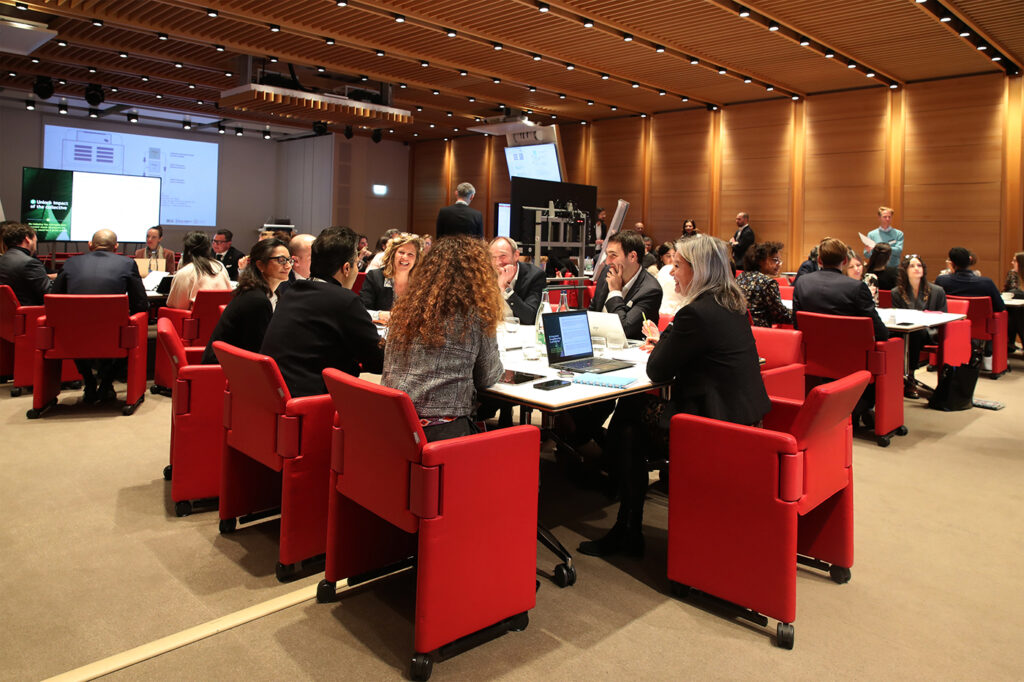
For the second Members Workshop we adopted an approach focused on how this initiative can scale faster through learning and partnerships, how we can unlock the impact of the collective, and moreover, how we as an initiative can lead and accelerate on transparency and reporting.
Our members, partners, and key experts came together to shape the vision for delivering positive impact, discussing concrete actions, and developing roadmaps that will help us launch new workstreams and deliver on our three key strategic pillars: Climate Resilience, Preserving Resources, and Fostering Inclusiveness.
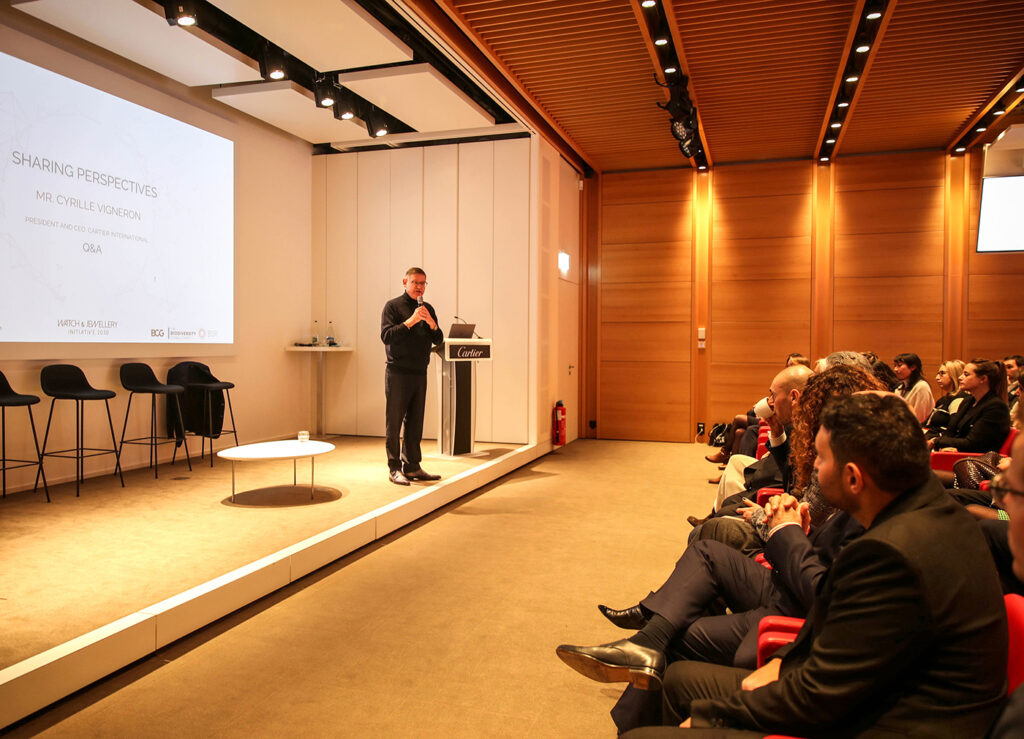
We also had the privilege of welcoming Mr. Cyrille Vigneron, President and CEO, Cartier, and WJI 2030 Co-Chair, to share some insightful perspectives and engage in a Q&A discussion with our members. CEO leadership is a fundamental to this Initiative, and it was a pleasure to welcome Mr. Cyrille Vigneron to demonstrate why commitment needs to be at the highest level.
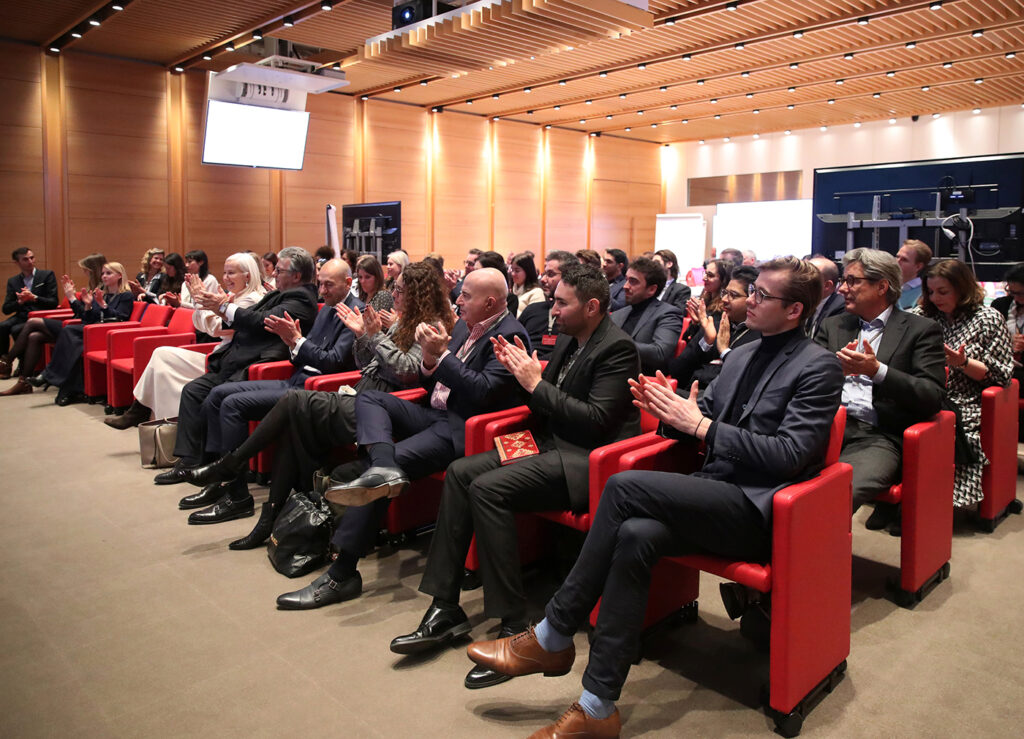
WJI 2030 is looking forward to embarking on this critical journey with its members and to our next workshop where we can start working on delivering impact and action on the ground.
Interview with Susan Jacques, President and CEO, GIA
GIA is working towards gender parity in all its locations around the world. GIA is striving to close gaps where they exist and put in place the infrastructure and policies to work toward gender parity, says GIA President and CEO Susan Jacques.
How is gender equality part of your business strategy?
At GIA our mission is to protect consumers and ensure the public trust in gems and jewelry. To accomplish that, we must reflect the public we serve. At GIA inclusion and diversity go hand in hand with our mission. Our goal is a culture in which every employee feels a sense of pride, safety and belonging; valued for who they are and the unique background, experiences, and perspectives they bring to the Institute.
Have you seen progress in gender empowerment in your company? What steps have you taken till date? Success stories?
GIA is committed to advancing gender equality as part of our commitment to the UN Sustainable Development Goals. Through this we have adopted the Women’s Empowerment Principles (WEP). The Institute supports initiatives within the industry that bring about meaningful change in diversity and inclusion, especially for gender. We support the Women’s Jewelry Association and created a program, alongside PACT, in East Africa to educate women artisanal miners about the gems they mine and help them to be more successful in their sales of these gems. These women have shared with us that this GIA education has assisted them in improving their lives and those of their families which is very rewarding for us to know.
Across our global workforce of more than 3,800 associates, the gender ratio approaches 50-50. We are working to achieve that balance in all locations and at all levels. In India, where there are fewer women in the workforce, the GIA team made a particular effort to attract women to become laboratory staff by addressing concerns about security, especially when working a second shift. In addition, GIA India supports efforts in schools to bring more women into the national workforce. Also, our Board of Governors, who strategically guide our Institute, is a 50/50 balance of gender. These extraordinary women Governors are professional experts from leading educational institutions, finance, risk and audit, technology, and cyber security.
What are the challenges and opportunities?
The challenge is to work toward gender parity in all GIA locations around the world and at all levels within the organization. The opportunity is to work inclusively with the teams in each GIA location to close gaps where they exist and put in place the infrastructure and policies to work toward gender parity. As part of this, we evaluate infrastructure and policies to make the workplace women-friendly and inclusive for all.
There is strength in diversity. According to McKinsey in 2021, the companies that become more diverse and manage this diversity successfully will outperform their peers so strongly that their peers will quickly follow.
What are your priorities? Are there any frameworks you use to help you in your journey? Do you have targets and how do you measure them?
GIA is a purpose-driven organization; inclusion and diversity go hand in hand with our mission. We have internal targets and we are committed to the UNGC and UN Women’s WEPs. That said, organizations need to go beyond targets and frameworks to ensure that their culture, policies, training, hiring practices, and values align with and strengthen gender equity. That is what we are working toward every day.
How important is WJI 2030’s third pillar to support you in your journey?
WJI 2030’s third pillar of fostering inclusiveness is incredibly helpful in establishing and promoting this for everyone in the industry. When we come together to align on overarching goals and benchmarks, it makes for a more fruitful and inclusive future. We are delighted to be working with WJI 2030 on leading the industry forward in the achievement of these important goals.
How has your personal journey been to date? What are your hopes for the future?
In my 40-year career in the gem and jewelry industry, I’ve been fortunate to have many opportunities to demonstrate my abilities and contribute to the companies where I have worked, and the industry organizations where I have served on their Boards. I was fortunate that there was a need for greater diversity in the industry over the past three decades, and being a woman in a leadership role gave me opportunities that I might not have had, given that there were few women leading companies and organizations at that time. Thankfully this has changed dramatically and there is a much greater gender balance today in our industry.
My hope for the future is that we all continue to recognize the tremendous benefit of seeking out diverse voices and representation. That diversity, mirroring the public we serve, is one of the ways that we can ensure the continued relevance and importance of our industry and consumer confidence and trust in gems and jewelry.
Iris Van der Veken, Executive Director & Secretary General at WJI 2030, was a guest on Rapaports latest podcast episode, where she delves into the initiatives immediate and long-term goals.
Iris discusses the latest Member Workshop that took place in Geneva at Cartier, and the clearer focus that will now drive the Initiatives workstreams and actions going forward.
The discussion also explores what sets the initiative apart from other programs that promote the industry’s environmental, social and governance (ESG) agenda and how the luxury brands are approaching sustainability challenges.
Listen to the podcast now Podcast: The Path Toward Sustainability – Rapaport