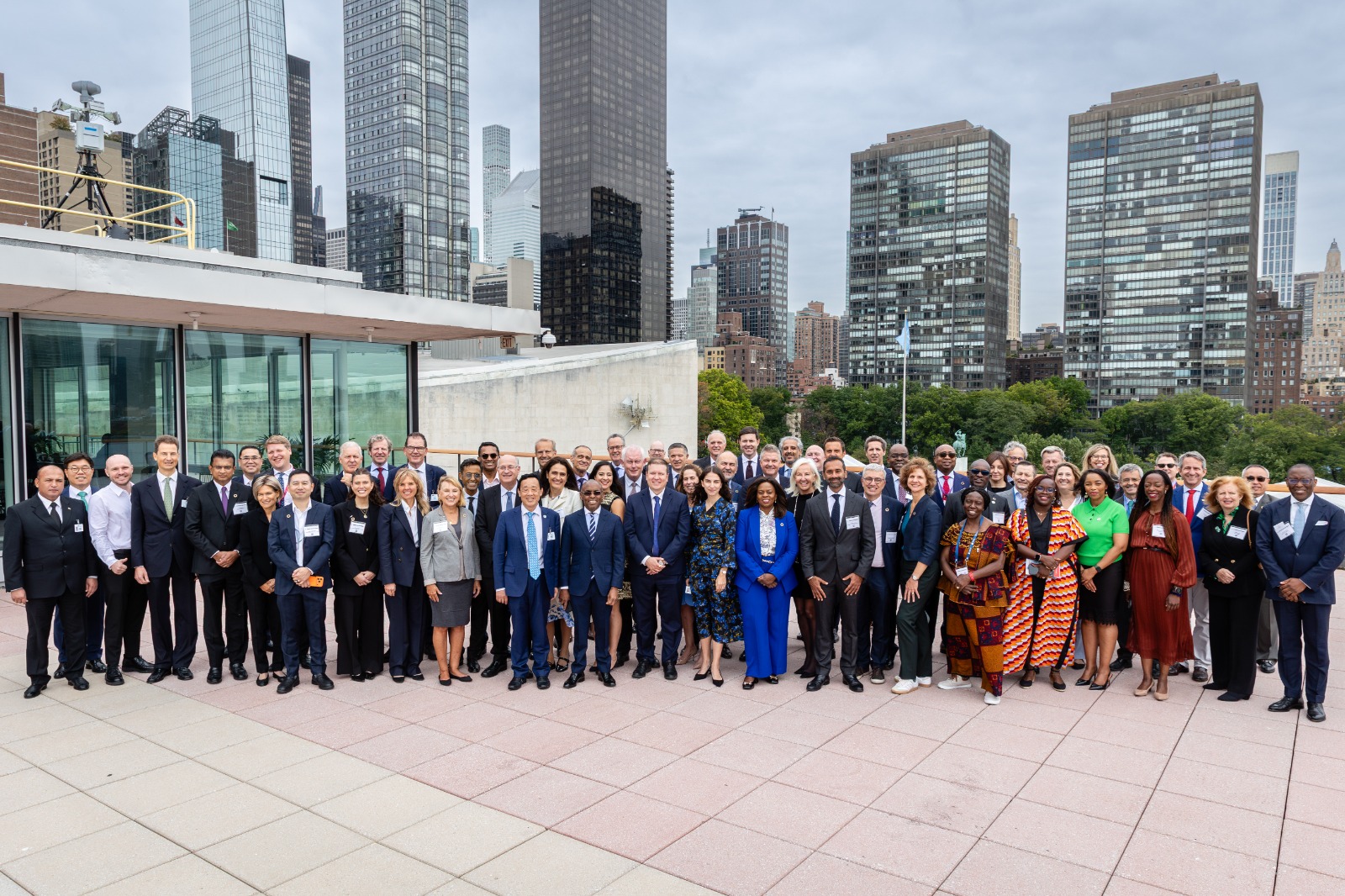


Climate Week 2025 & UN Global Compact Leaders Summit 2025
Scaling Sustainability Through Action, Innovation, and Inclusiveness
New York, September 2025
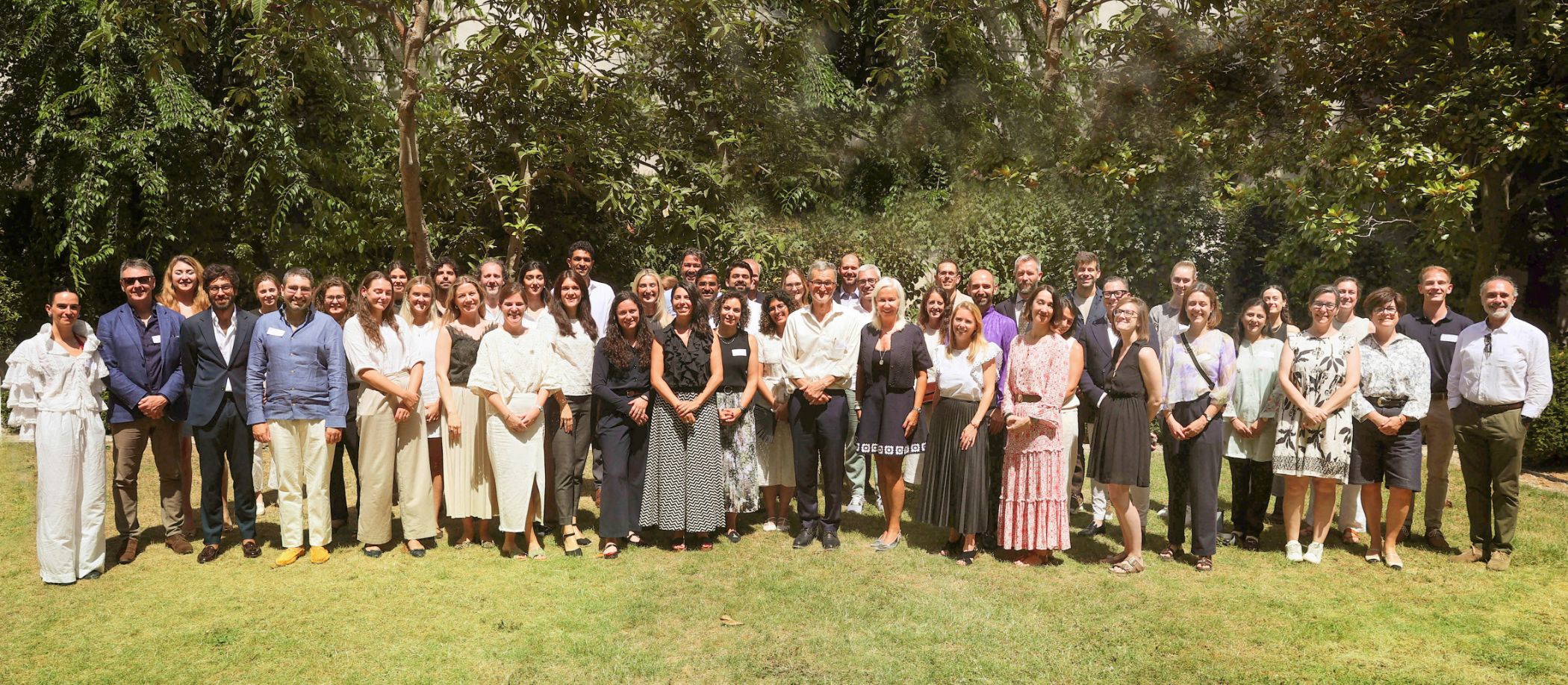
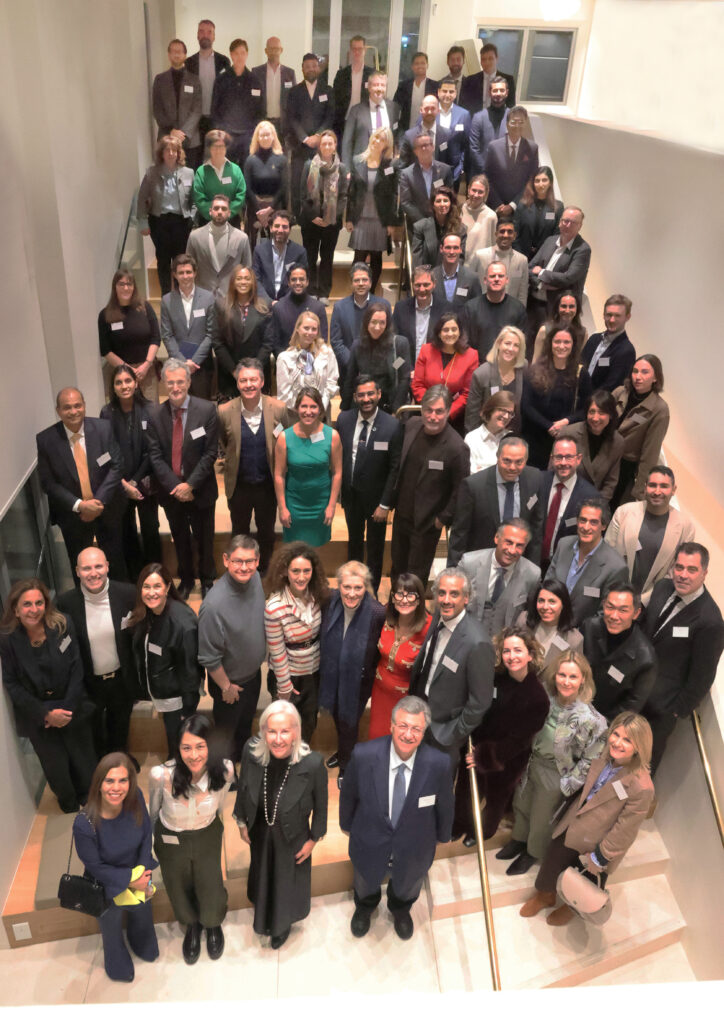
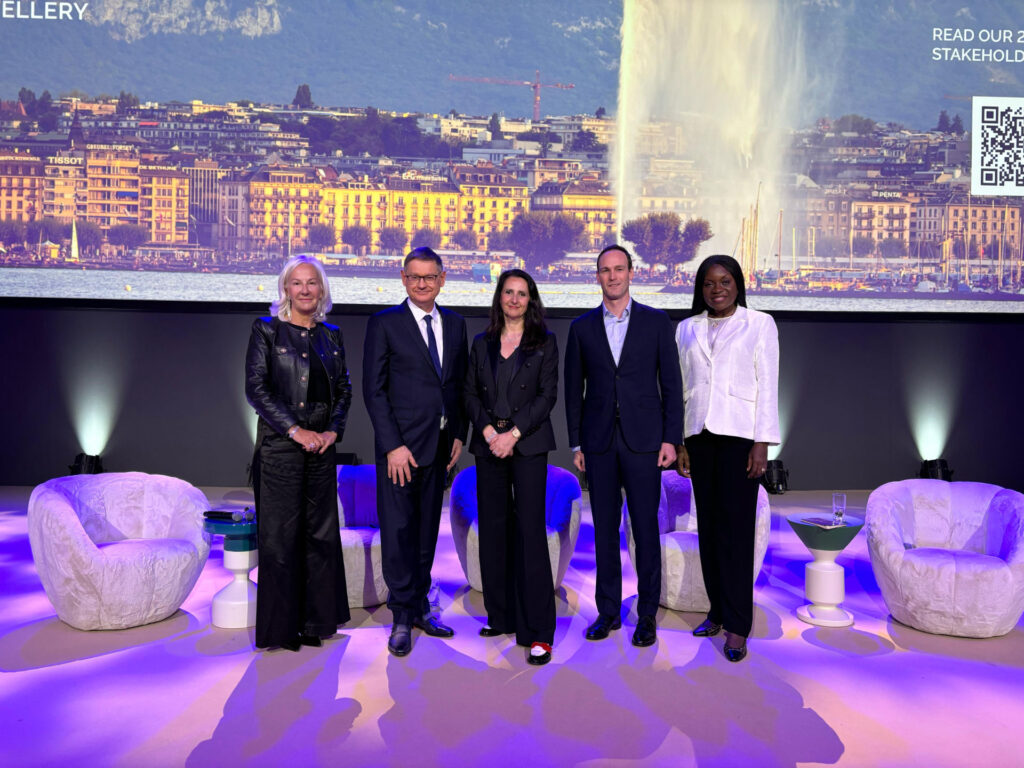
The Watch & Jewellery Initiative 2030 (WJI 2030) attended the UN Global Compact Leaders Summit 2025 and Climate Week NYC in New York.
Key Takeaways from Climate Week 2025:
- It is urgent time to translate promises and pledges into concrete actions on the ground. The Global Compact Survey shows that 88% of CEOs see a strong business case for sustainability than 5 years ago. Only less than 50% feel comfortable speaking publicly on sustainability.
- We need everyone across the business functions internally as well as external engagement through the supply chains to shape resilient business models. The procurement role is critical to transform value chains.
- As Africa’s population crosses 1.5 Billion, there’s a window of opportunities to attract young talent and shape innovative solutions. Globally, more than 1 in 4 people will be African in 2050.
- There’s an urgent need for a regulatory environment that encourages investors to develop a green economy that is practical and impactful. Systemic re-engineering is needed; change cannot rely on consumer’s paying a premium.
- Gender equality remains the unfinished business of our time, and the private sector is called on to close the gap. According to the UN Women 2025 Flagship Report:
- Only 64.5% of women aged 25–54 are in the labour force, compared to 92.2% of men. The gender wage gap, estimated at 20% by International Labour Organization, means that women earn 80% of what men do. Women hold just 30% of managerial roles – at this rate, parity will take nearly a century.
- Multi-stakeholder partnerships for a smart green economy are the only way forward. No industry can resolve the global issues of today. We all need to win to protect Mother Nature.
- Harmonised policies, stronger infrastructure, and durable public-private partnerships unlock growth.
Highlights for WJI 2030:
1.UN Private Sector Forum “Collective Investments for a Resilient Future”
WJI 2030 took part in the UN Private Sector Forum, hosted by the United Nations Global Compact on behalf of the UN Secretary-General.
In a world shaped by climate disruption, technological transformation, and rising geopolitical tensions, this high-level Forum reaffirmed the need for stronger collaboration between business and the multilateral system to accelerate progress on the Sustainable Development Goals (SDGs).
Central to the dialogue was the Sustainable Finance Roadmap, currently being developed by the UN Global Compact at the request of the Secretary-General. The roadmap provides clear, actionable strategies to drive investment toward the SDGs, particularly in Low- and Middle-Income Countries (LMICs), with a focus on climate adaptation, food systems, and decent work.
2. WJI 2030 joins the UNGC Sustainable Procurement Coalition
At the UN Global Compact Leaders Summit, WJI 2030 announced its participation in the UNGC Coalition for Sustainable Procurement – a global initiative bringing together procurement thought leaders and businesses to transform value chains through responsible sourcing.
The Coalition’s mission is clear: embed sustainability into procurement practices through collective action, ensuring ethical, resilient, and regenerative supply chains that benefit people, planet, and business.
WJI 2030 emphasized the critical role of procurement in driving industry-wide transformation: systemic change cannot depend on consumers paying a premium. Instead, sustainable choices must become profitable, scalable, and integrated across every business function.
WJI 2030 was featured in the UN Global Compact publication “Procurement: A Catalyst for Sustainable Growth and Resilience | UN Global Compact” within the case study “Gender-Responsive Procurement Pilot Programme.” The piece highlights WJI 2030’s pioneering Gender-Responsive Procurement (GRP) pilot — the first-ever application of the Women’s Empowerment Principles (WEPs) GRP Assessment Tool within a specific industry, namely the watch and jewellery supply chain.
3. WJI 2030 featured in UN Women’s Flagship Report: “Unfinished Business”
At UN Women Headquarters, the new Flagship Report on the Role and Impact of the Private Sector in Advancing Gender Equality and Women’s Empowerment was launched under the theme “Unfinished Business: Private Sector and Gender Equality.”
The message was unequivocal: gender equality remains the unfinished business of our time, and the private sector must accelerate measurable change.
We are proud that WJI 2030 was featured as a case study in this publication, recognizing our ongoing work on Gender-Responsive Procurement – developed together with our members and partners.
Key findings from the report underscore the urgency of collective action:
- Only 64.5% of women aged 25–54 are in the labour force, compared to 92.2% of men.
- The gender wage gap stands at 20%, meaning women earn just 80% of what men do.
- Women hold only 30% of managerial roles – at the current pace, parity is nearly a century away.
- 708 million women remain outside the labour force due to unequal care responsibilities.
WJI 2030’s recognition in this global report reinforces the initiative’s leadership in linking procurement, inclusivity, and sustainability – turning commitments into action.
What’s next?
WJI 2030 will be showcased in UNGC Case Study portal with its work on Nature: “Fostering Nature and Inclusiveness”
As part of the UN Global Compact’s case study portal, WJI 2030 will be featured with its work on “Fostering Nature and Inclusiveness: Watch & Jewellery Initiative 2030 Roadmap for a Resilient Industry.”
The case study demonstrates how nature-positive strategies and inclusive business models can coexist – ensuring the sector contributes to biodiversity restoration while empowering communities and artisans along the supply chain. It highlights how WJI 2030 members are already integrating nature-based metrics, promoting transparency, and supporting regenerative sourcing – paving the way for an industry that is both sustainable and equitable. From the UNGC Leaders Summit to the UN Women Forum, WJI 2030’s presence in New York underscored a shared vision: transformation requires collective leadership. As the world accelerates toward 2030, WJI 2030 stands ready to lead by example – in a collaborative approach, fostering nature, inclusiveness, and resilience across the value chain.